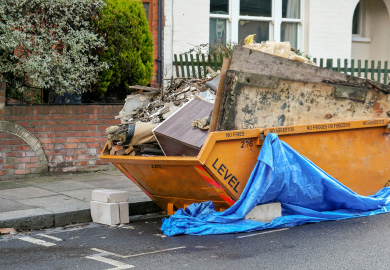
What Happens After IT Assets Leave Your Facility
A step-by-step overview of how retired IT assets move through collection, sorting, and downstream recycling workflows.
Insights, operational updates, and e-waste awareness stories focused on responsible electronics retirement and recycling.
Practical articles, awareness notes, and field-led updates around e-waste handling, recovery, compliance, and responsible retirement workflows.
A step-by-step overview of how retired IT assets move through collection, sorting, and downstream recycling workflows.

Storage media remains one of the most sensitive waste streams during IT refreshes, especially where internal data policies are strict.

Decommissioning projects go more smoothly when removal sequencing, load planning, and downstream routing are decided early.

Battery-bearing devices and loose battery streams should be isolated early to support safer handling and disposal control.
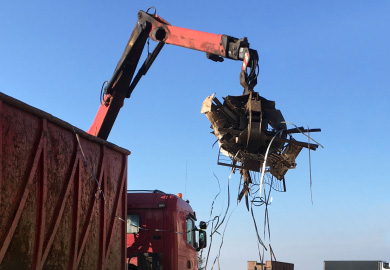
Shredding improves the quality and consistency of downstream separation when incoming material is prepared correctly.
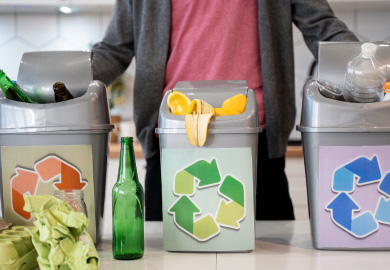
Some clients need visibility at the point of destruction, especially during sensitive or tightly controlled disposal exercises.
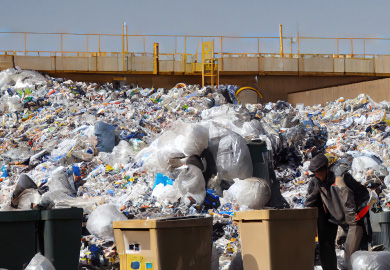
The better the separation line performs, the more clean commodity streams can be recovered from retired electronics.

Formal recycling systems focus on converting retired electronics into cleaner raw materials that can return to approved use.
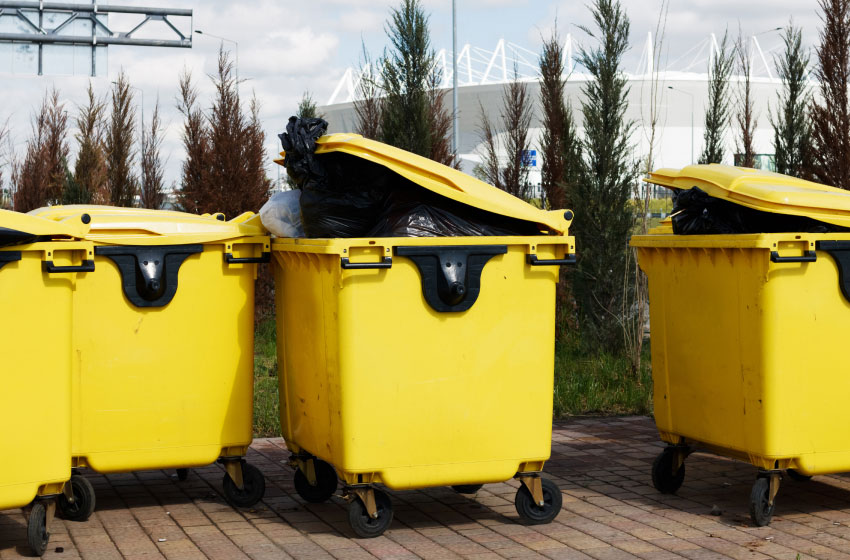
Deployment programs work better when the retirement path for replaced equipment is considered from the start, not after rollout.